Health and Safety Policy for Newham Removals
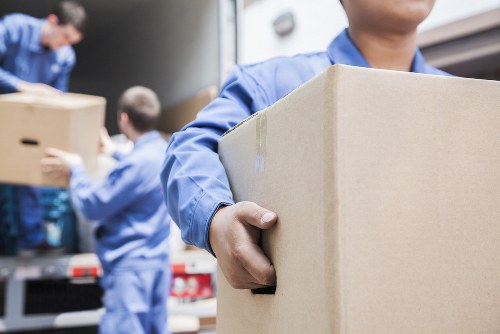 Newham Removals is committed to maintaining a safe, healthy, and well-managed working environment for all employees, contractors, customers, and members of the public. Our removals health and safety policy is designed to prevent accidents, reduce risks, and ensure every move is carried out with care and professionalism. We recognise that moving homes and businesses involves lifting, handling, transport, and coordination, so we take a structured approach to safety at every stage.
We aim to create a workplace where hazards are identified early and controlled effectively. This includes safe handling of furniture, proper packing methods, equipment checks, vehicle safety, and clear communication among team members. Our safety commitment is embedded in daily operations, not treated as a separate task. Every person involved in a move is expected to follow safe working practices and report concerns immediately.
 This health and safety policy applies to all aspects of our removals services, including domestic moves, office relocations, loading, unloading, storage handling, and transit. We believe that consistent safety standards support reliable service and help protect property, people, and working time. By keeping our procedures clear and practical, we reduce avoidable disruption and maintain a high standard of service.
Our Health and Safety Responsibilities
Management has overall responsibility for ensuring that safe systems of work are in place and regularly reviewed. This includes providing suitable equipment, arranging appropriate training, and making sure staff understand their duties. We also expect all workers to take reasonable care of their own safety and the safety of others. A strong removals safety policy depends on teamwork, supervision, and accountability.
Risk Assessment and Planning
Before each job, we assess the main risks involved and plan how to control them. This may include checking access routes, identifying heavy or awkward items, reviewing stairways and narrow spaces, and considering weather conditions or parking restrictions. A careful removal company safety procedure helps us anticipate problems before they affect the move. Where needed, we adjust the plan so that equipment, vehicle positioning, and staffing levels remain suitable.
 All staff are expected to follow safe lifting techniques and use aids such as trolleys, straps, blankets, and ramps when appropriate. We do not expect manual handling to be rushed or improvised. If an item is too heavy, unstable, or difficult to move safely, the job must be stopped and reviewed. Protecting people from strain and injury is a core part of our safe removals approach.
Safe Working Practices
We maintain our vehicles and equipment to a standard that supports safe operations. Vehicles are checked regularly for roadworthiness, cleanliness, load security, and any defects that could affect safety. Equipment must be suitable for the task, used correctly, and stored securely when not in use. Our moving services health and safety standards include keeping walkways clear, securing loads, and using protective materials to reduce damage and risk.
Personal protective equipment may be used where required, depending on the nature of the task. This can include gloves, safety footwear, and high-visibility items when working in shared access areas or loading zones. Staff should wear clothing that allows movement without creating a hazard. In addition, everyone must remain alert, avoid distraction, and communicate clearly when lifting or carrying items.
We also take care to protect customers and the public. Doors, corridors, stairs, and entrances are used with caution so that no one is put at unnecessary risk. Where necessary, we will ask people to keep clear of active work areas. Good organisation and calm working practices are essential to our removals health and safety standards.
Training, Reporting, and Continuous Improvement
Staff receive instruction relevant to their role, including manual handling, safe loading, equipment use, and hazard awareness. Supervisors are expected to reinforce safe behaviour and monitor compliance during operations. We believe that a well-trained team is better prepared to prevent accidents and solve problems safely. This is a key part of our safe moving policy.
Any incident, near miss, or unsafe condition must be reported without delay so that appropriate action can be taken. Reports are reviewed to identify trends, improve procedures, and prevent repeat issues. We treat health and safety as an ongoing process rather than a fixed document. Review and improvement help keep our removals company policy relevant, practical, and effective.
 If circumstances change during a move, the team must reassess the situation and adapt the work method. This may involve pausing the job, increasing supervision, or using different equipment. Safety always takes priority over speed. A careful and measured approach supports both quality and efficiency, while reducing the risk of injury or damage.
Commitment to a Safe Working Culture
Newham Removals promotes a culture in which safety is part of everyday behaviour. We encourage staff to speak up about hazards, support one another, and work in a way that reflects professionalism and care. This culture helps maintain high standards across all removals activities and strengthens trust in our service.
Our objective is simple: to carry out every move safely, responsibly, and with respect for everyone involved. By applying practical controls, maintaining equipment, planning carefully, and keeping communication clear, we uphold a dependable moving company health and safety policy that supports both people and property. Safety is not an optional extra; it is a fundamental part of how we work.
 Through ongoing review, training, and good practice, Newham Removals will continue to improve its standards and maintain a safe environment for all. Every move is different, but our commitment remains the same: to manage risks effectively and deliver removals services with confidence, care, and responsibility.